
Do You Really Need CCTV for Your Business? A Straightforward Guide
Honest advice on business CCTV in North Wales: what cameras genuinely help with, what to look for, the legal side done properly, and when it is overkill.
- CCTV
- Security
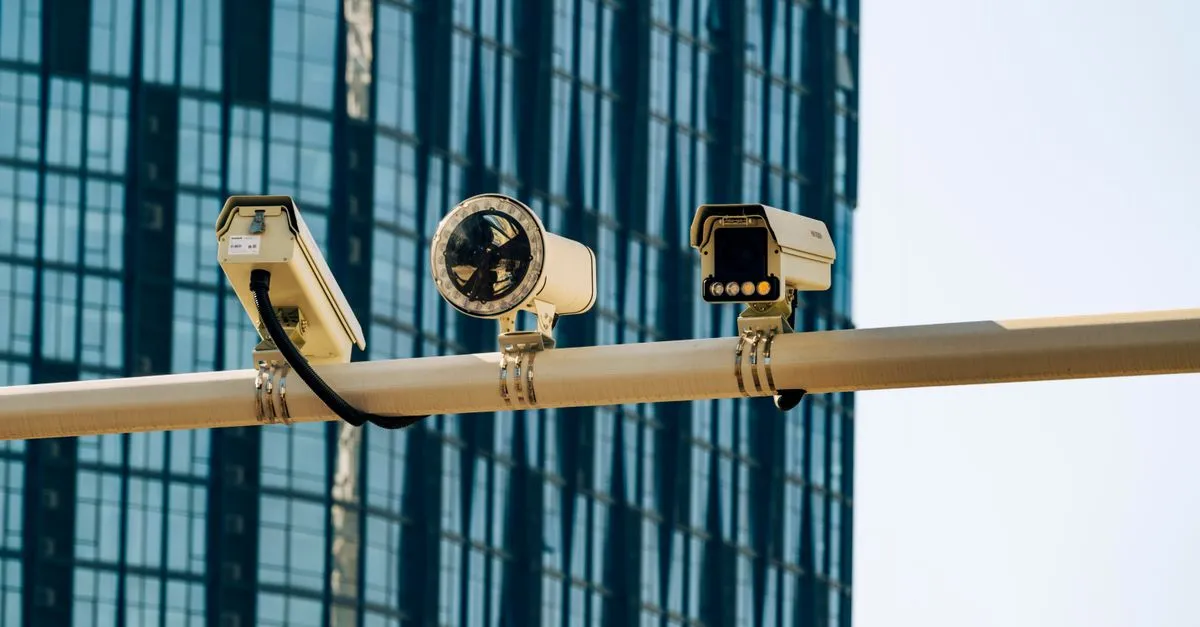
CCTV is one of those things every business owner thinks about at some point, usually after a near miss, a break-in down the road, or an argument over who left the back door open. The question is rarely whether cameras would be nice to have. It is whether you genuinely need them, and if so, what sort. Here is a straightforward guide from someone who fits and looks after these systems for a living.
What CCTV genuinely helps with
Good CCTV earns its keep in a few honest ways. The first is deterrence. A visible camera at the entrance, on the yard, or over the till makes opportunists think twice. It will not stop a determined criminal, but it does shift the easy targets elsewhere.
The second is evidence. If something does happen, clear footage is worth far more than a fuzzy memory. It helps with police reports, insurance claims, and disputes about deliveries, damage, or who was where and when.
The third, and the one people underestimate, is safety. Cameras give you eyes on a quiet stockroom, a loading bay, or a lone worker locking up late. They can also settle the awkward stuff, like a slip-and-trip claim or a disagreement with a contractor, with calm facts rather than raised voices.
And finally, there is simple peace of mind. Being able to glance at your premises from your phone on a Sunday evening is a quiet kind of reassurance you only appreciate once you have it.
Camera types and what actually matters
You do not need to learn the jargon, but a few things are worth knowing.
Resolution is how much detail a camera captures. Higher resolution means you can actually make out a face or a number plate rather than a vague shape. It is the single biggest factor in whether footage is useful when you need it.
Night vision matters more than most people expect, because trouble rarely happens at lunchtime. Look for cameras that see clearly in low light or full dark.
On shape, dome cameras sit flush to a ceiling or wall and are discreet and hard to tamper with, which suits shops and offices. Bullet cameras are the longer, obvious ones that point in a clear direction and act as a stronger visible deterrent outdoors. Most sites use a mix.
Nearly all modern systems are IP cameras, which means they run over your network rather than old-style analogue cabling. That gives you better image quality, easier remote viewing, and room to add cameras later. It also means the system needs setting up properly, which is where having it done by someone who understands networks pays off.
Planning coverage and avoiding blind spots
The most common mistake is buying cameras first and thinking about coverage second. The result is gaps in exactly the spots that matter. We start the other way round, by walking the site and asking what you actually want to protect: entrances and exits, the till or cash area, stock, the car park, blind corners, and any spot that has caused bother before.
Good placement covers the routes people have to take rather than trying to watch every square metre. A few well-aimed cameras almost always beat a scattering of badly positioned ones.
Recording, storage and remote viewing
Footage is recorded to a box on site, usually a small recorder with a hard drive, and is overwritten on a loop once it reaches your chosen retention period. Most small businesses keep around 30 days, which balances usefulness against storage and against keeping only what you need.
Remote viewing is the part owners love. We set up a secure app so you can check live cameras or look back through recordings from your phone, wherever you are. We make sure that connection is locked down properly, because a camera you can see from your sofa is a camera a stranger should never be able to reach.
The legal side, done properly
Business CCTV is covered by UK GDPR, and the Information Commissioner’s Office (the ICO) publishes clear guidance on video surveillance that is worth following. None of it is difficult, but it does need doing.
In short: put up clear signs telling people they are being recorded and why, only point cameras at what you genuinely need to cover (avoid pointing them at a neighbour’s property or the public pavement where you can), keep footage no longer than you can justify, and be ready to handle a request if someone asks for footage of themselves. Audio recording carries extra rules, so we usually leave it switched off unless there is a strong reason for it. We will set sensible defaults so you stay on the right side of all this without having to become an expert.
How CCTV fits with alarms and access control
CCTV is one layer of security, not the whole thing. It tells you what happened, but it does not stop someone getting in or call for help on its own. That is why it works best alongside an intruder alarm and, on the right site, access control. If you want to go deeper on that side, we have written a companion guide to intruder alarms and access control. Together, these make up a sensible, layered approach, and we cover the cameras and entry side as part of our CCTV and access control service.
When CCTV is overkill
Honest answer: sometimes you do not need much, or any. A quiet upstairs office with one door, a good lock, and an alarm may not gain a lot from cameras. We would rather tell you that than sell you a system you will not use. The right amount of CCTV is the amount that solves a real problem you actually have.
We cover Ruthin and the wider area, including towns like Rhyl along the coast, and we are happy to take a proper look before you spend anything. If you would like a clear, no-pressure opinion on whether CCTV is right for your premises, book a free IT review and we will walk the site with you and give you straight advice. You can also see the rest of what we do on our services page. Just a friendly local engineer telling you what we would do in your shoes.
Frequently asked questions
How long should I keep CCTV footage?
Most small businesses keep footage for around 30 days, then it is overwritten automatically. Under UK GDPR you should only keep it as long as you genuinely need it, so pick a retention period you can justify and stick to it. We help you set this up so it just works in the background.
Do I have to put up signs if I have CCTV?
Yes. The ICO expects clear signs telling people they are being recorded, who is responsible for the cameras, and why. Signage is one of the simplest legal requirements to get right, and we make sure it is in place when we fit a system.
Can I watch my cameras from my phone?
On almost every modern system, yes. We set up a secure app so you can check in from anywhere, whether you are at home, on site elsewhere, or away on holiday. It is one of the features owners end up using the most.
Want this checked for your own business?
Book a free IT review, a straightforward, no-obligation review of where your IT stands.
Book your free IT review