
Intruder Alarms and Access Control for Small Premises
A straightforward guide to intruder alarms and access control for small North Wales business premises: how they work, what is proportionate, and when keys hold you back.
- Security
- Access Control
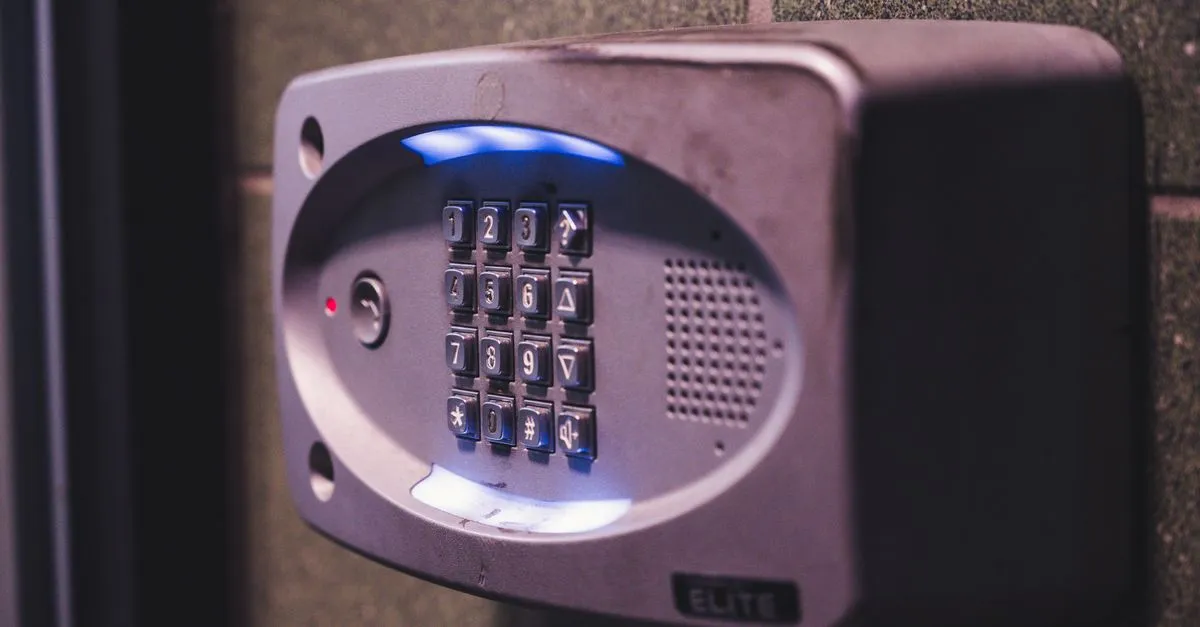
Locking up at the end of the day should feel simple, but for a lot of small businesses it is a niggle. Who has a key? Did the back door get set on the alarm? What happens if someone leaves and we never get their key back? Intruder alarms and access control quietly solve a lot of that. Here is a straightforward guide to what they do and what is actually worth having on a small site.
Layered security, working together
The strongest setups do not rely on one thing. They layer a few simple measures so that if one is bypassed, another still does its job. An intruder alarm warns you when someone gets in. Access control decides who can get in during the working day. CCTV records what happened so you have evidence afterwards.
You do not need all three on every site, and you certainly do not need the gold-plated version of each. The point is to think about them as a set rather than buying bits in isolation. We cover the alarms, entry and camera side together as part of our CCTV and access control service, precisely because they work best when they are planned together.
Intruder alarm basics
An intruder alarm splits your premises into zones, so the system knows whether the trigger came from the front door, the stockroom, or the office upstairs. That detail matters when you are trying to work out what set it off at night.
The big decision is monitoring. A bells-only alarm simply makes a noise on site, which is fine for some premises and relies on a neighbour or passer-by reacting. A monitored alarm sends a signal to an alarm receiving centre, which can then alert keyholders or, on some systems, a response service. If you go monitored, you also want to sort keyholding, meaning who actually turns up when it goes off. For a unit on a quiet estate that no one passes after six, monitoring and a proper response plan can be the difference between a quick reset and a long, expensive night.
Access control, and the end of lost keys
Access control replaces ordinary keys with credentials: a fob, a card, a PIN, or increasingly a permission on someone’s phone. On the surface it just unlocks a door. Underneath, it changes how you run the place.
The first benefit is an audit trail. The system records who went through which door and when. That is genuinely useful for everyday questions, not just incidents, like confirming whether the first person in actually arrived when they said.
The second is control. You can give the cleaner access only on the evenings they come, let a contractor in for one week, or keep the server cupboard limited to two people. No cutting keys, no guesswork.
The third is the one every owner appreciates: when someone leaves, you remove their access in seconds. No changing locks because a key never came back, no copies you cannot account for. For a small team where people come and go, that alone often justifies the system.
Door entry and intercoms
If your front door is locked during the day and you do not want staff jumping up every time someone arrives, a door entry system or intercom is the missing piece. A visitor presses a button, someone inside sees or hears them, and releases the door without leaving their desk. Pair it with a camera at the entrance and you can see who is there before you let them in. For a small office, a shared building, or anywhere with deliveries through the day, it takes a surprising amount of friction out of the working day.
Tying it in with CCTV
Access control tells you a door opened. CCTV shows you who opened it. Put the two together and the audit trail stops being just a list of times and becomes something you can actually rely on. If a door was forced or a fob was used out of hours, you have both the record and the picture. If you are weighing up the camera side specifically, we have a companion guide on whether your business needs CCTV that goes through it properly.
What is proportionate for a small site
This is where honest advice matters most, because it is easy to over-engineer security. A two-person office above a shop does not need the same setup as a warehouse full of stock. For many small premises, a good intruder alarm and one or two access-controlled doors cover almost everything that genuinely worries you. Adding readers to every internal door, or monitoring a site that a hundred people walk past every hour, is often money spent on reassurance you already have.
We would rather scope something that fits how you actually work than sell you the longest possible quote. The right system is the one that solves the problems you have, leaves room to add to later, and does not become a daily annoyance.
We work across Ruthin and the surrounding area, including towns like Mold, and we are happy to take a look before you commit to anything. If you would like a clear, no-pressure view on what your premises actually need, book a free IT review and we will walk the site with you and tell you straight what we would do. Friendly local advice first, kit second.
Frequently asked questions
What is the difference between an intruder alarm and access control?
An intruder alarm tells you when someone gets in who should not be there, usually by sounding and alerting a monitoring centre. Access control manages who can get in during normal hours, using fobs, cards, PINs or a phone instead of keys. They solve different problems, and most premises benefit from both.
Can I stop a former member of staff getting in without changing the locks?
Yes, and this is one of the best reasons to use access control. When someone leaves, we remove their fob or card from the system in seconds and their access stops immediately. No lock changes, no chasing keys, no worrying about copies floating about.
Do I really need monitoring on a small site?
Not always. A loud local alarm is enough for some small premises, while others want a monitored system with a keyholding or response service so something actually happens when the alarm goes off at 3am. We help you weigh up what is proportionate rather than overselling.
Want this checked for your own business?
Book a free IT review, a straightforward, no-obligation review of where your IT stands.
Book your free IT review